ONLINE STORES · AD STYLES
UGC vs Animated Product Ads: Which Should You Test First?
UGC vs animated product ads: start with the style that fixes your ad's real problem. See real costs, what Meta and TikTok say, and a one-month test plan.
Why listen to us?
- We have made video ads for small businesses since 2012.
- That is 16,000+ videos for 13,500+ businesses, from plumbers to dentists.
- Below is what we have learned. Nothing clever.
Here's something the ad guides rarely mention: neither Meta nor TikTok says which style of product ad wins.
So don't treat UGC vs animated product ads as a contest.
Every product ad has one of two problems: nobody believes it, or nobody notices it.
Test UGC-style ads first if buyers need to trust that your product works on someone like them. Test animated product ads first if your product is easy to believe but easy to scroll past, or hard to film. Then test the other style in the same month, with the same offer.
You don't have to pick a side to start.
At 30 Second Ad Club, the done-for-you ad team from 30 Second Productions, one monthly plan covers both styles.
You tell us about your product and offer, approve the script and storyboard, and our team makes and checks every ad.
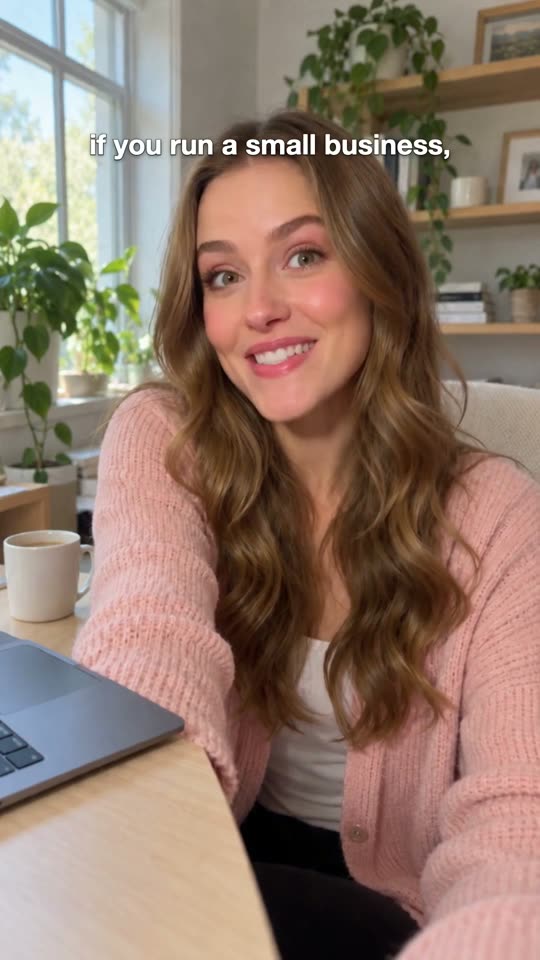
Here's the UGC look without a creator: a Yapper ad, with an AI presenter in a home studio.
Get UGC-style and animated ads for your store.
Nobody believes it, or nobody notices it
A UGC ad is an ad that looks like a regular person filmed it on their phone (UGC stands for user-generated content).
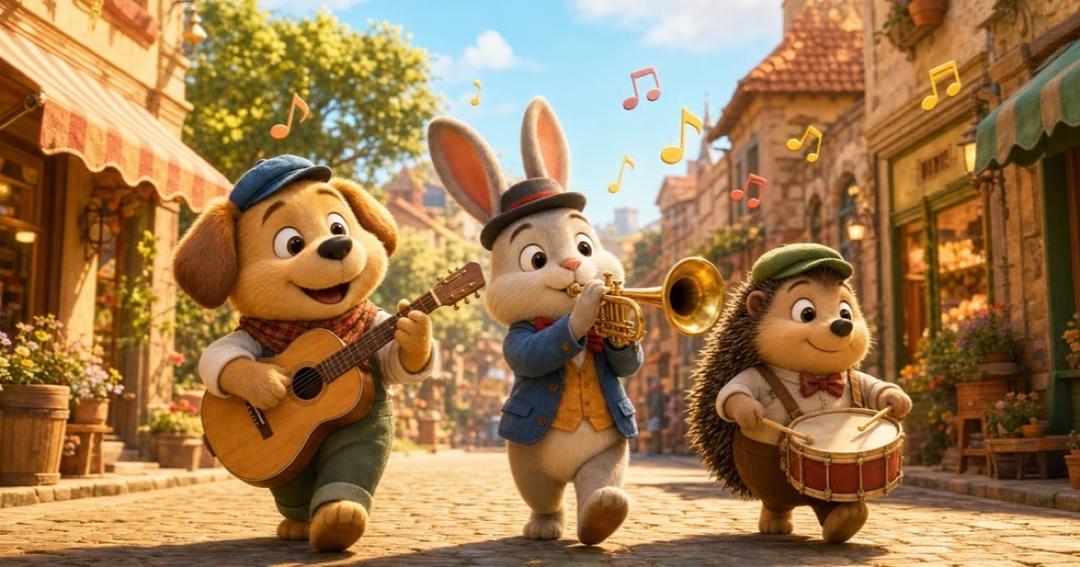
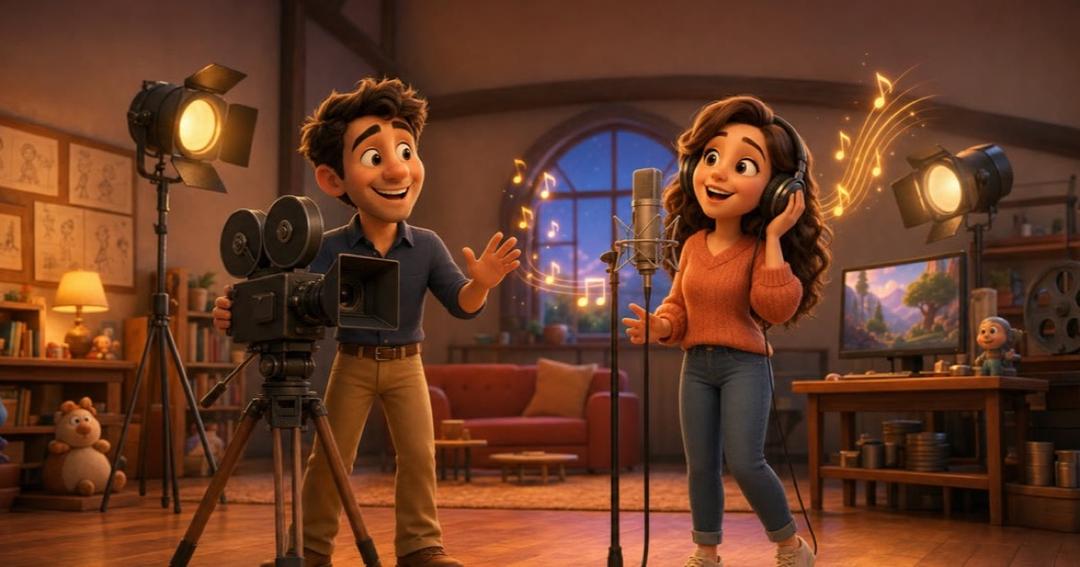
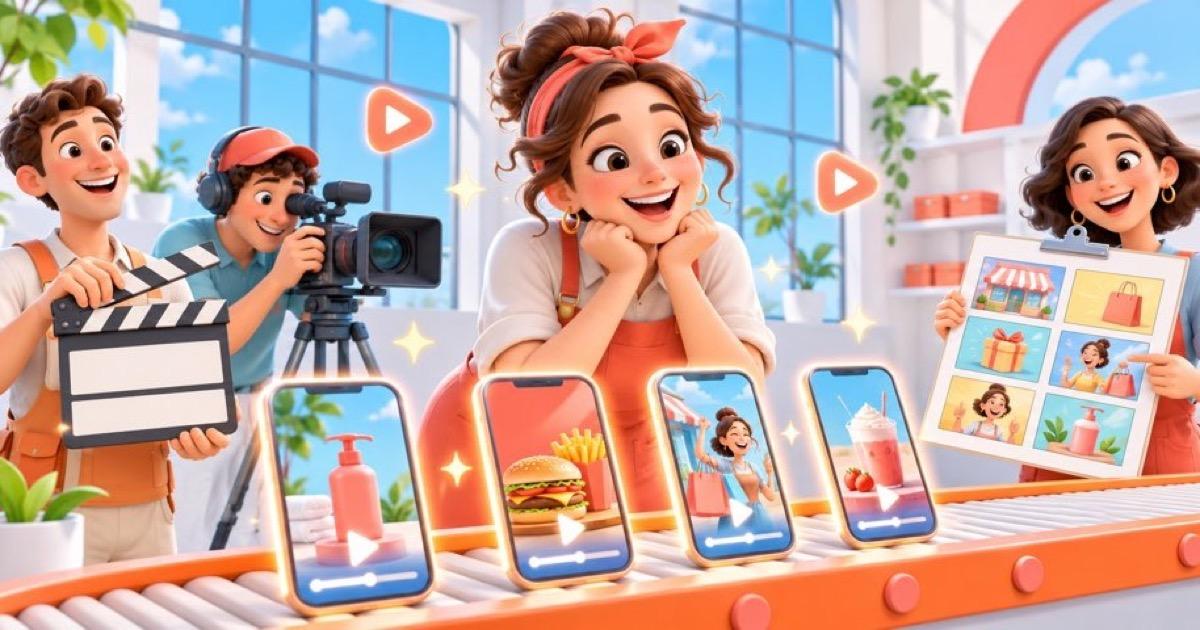
An animated product ad is an ad where your product shows up as a cartoon, a clay model or moving graphics, often with a song on top.
A believing problem sounds like this: "Will this work on my frizzy hair?"
That buyer wants a face, a hand and a real bathroom sink.
A noticing problem sounds like nothing at all.
Your product is fine, the price is fair, and the thumb keeps moving.
Knowlify, a company that sells animated ads, puts it plainly: "Neither wins by format alone; it depends on the proof buyers need."
Even the company that sells animation won't call a winner.
Here's the other style: a sample song ad for a made-up olive oil brand.
Get an animated song ad for your product.
Try our ad team free → Get a free image ad and a free video script and storyboard for your business. You approve every step. No card needed.
Which products should start with a UGC-style ad?
Products that touch the body, the home or the daily routine should usually start with a UGC-style ad. The buyer wants to know if it works for someone like them.
Zeely, which sells an AI ad tool, puts beauty, wellness, fashion, home, fitness and products with a clear use case on the UGC side.
Knowlify says to test UGC first when the sale depends on human context, routines or objections.
An objection is the reason a buyer gives for not buying: "Too pricey." "Won't fit."
Our own rule of thumb on price: the more a wrong buy would sting, the more the buyer wants to see a person use it first.
A cheap phone case is a shrug.
A pricey face cream is a gamble with your own face.
You don't even need a creator for a UGC-style ad.
Our Yapper ads use an AI presenter who looks real, and a person on our team checks every ad.

When should the cartoon go first?
Animation should go first when buyers already trust the product but nobody stops for it, or when it's hard to film well. Nobody needs proof that a dish rack holds dishes.
They need a reason to stop.
Knowlify says to test animation first when the product is abstract, technical, software-based or hard to film.
Our own examples are simpler: a phone charger, a plain white supplement bottle, or a bag of coffee that looks like every other bag of coffee.
Premium is the exception.
A clay cartoon of a fine watch is a joke you didn't mean to tell.
Premium products want motion, not a mascot. That's a B-roll product ad: clean shots of the real thing.
Here's our rule of thumb, as one table.
| Your product | Its usual problem | Test first | Ad Club style |
|---|---|---|---|
| Pricey skin, hair or body product | Believing | UGC-style | Yapper |
| Cheap or look-alike (charger, coffee bag) | Noticing | Animated | Song or claymation |
| Fine or premium (watch, jewelry) | Needs to look polished | Product motion | B-roll product ad |
| Both problems (the plant pot below) | Both | Test both in one month | Yapper and song |
What do Meta and TikTok say about each style?
Neither Meta's nor TikTok's own ad pages say one style beats the other, as of November 2026. Both care more about the first few seconds than the look.
TikTok's creative best practices page tells advertisers to "go for a DIY or not overly polished style" so ads fit in.
That leans UGC.
But TikTok's ad creative guide asks for ads that "feel native, short, authentic, and testable," and doesn't mention animation at all.
Meta's tailored campaigns page says videos should "include key messaging or branding within the first three seconds," in 4:5 for Feed or 9:16 for Stories and Reels.
Read that one carefully: it compares video with images, not cartoons with creators.
So whichever style you test, make it 9:16 for Reels (4:5 for Feed), with sound, and put the point up front.
One plant pot, two ads
Here's one made-up product, sold both ways.
We wrote these for this post, so they aren't real ads and have no results behind them.
Picture a self-watering plant pot, which has a believing problem (does it work?) and a noticing problem (it's a pot).
The UGC-style ad
Killed four basil plants this year? Meet the pot for number five.
"Water sits underneath. The plant drinks when it wants. Fill it, then get on with your week. Forget to water? It won't mind."
On screen: the presenter, the pot and the water line. Offer: [your bundle]. Button: Shop now.
The animated song ad
Your plants are thirsty. You're on vacation.
Off to the beach, the fern stays home, no one to water, it's on its own. [Your Brand] keeps a drink below, come back to green and watch it grow.
On screen: a cartoon fern sipping from its pot, every sung word in captions. Offer: [your code]. Button: Shop now.
Same pot, same offer, same button.
Only the style changes, and that's the whole test.
Here's a claymation ad, the one we made for our own song ad service.
Get a clay or song ad made for your product.
UGC vs animated product ads: what each costs and takes
As of November 2026, one UGC-style video from a creator costs about $99 to $500+, per Billo's and Shopify's own pages. Ad spend is separate.
| Way to get it | Style | Cost (from their page) | Time to make | Who does the work |
|---|---|---|---|---|
| Film it yourself | UGC | Your time | Your weekend | You plan, film and edit |
| Billo | UGC creator | From $99 a video, raw; product and shipping extra | Not listed | You brief, ship and review |
| A creator you hire | UGC creator | $100-$150 low end, $300-$500+ high end, per Shopify | Not listed | You find, brief and ship |
| Creatify Standard | AI presenter tool | $15 a month ($10 billed yearly) | Up to you | You write and build each ad |
| Freelance AI or animated ad (Dribbble listings) | Animated or AI | $130 to $950 an ad, per listing | Varies | You brief and review |
| LYFE Marketing | Short video ads | $500 a month for 2 vertical videos | Not listed | Their team |
| 30 Second Ad Club | Both: Yapper, song, claymation, B-roll | From $149 a month, about 5 short videos | Most in about 24 hours of an approved brief | Our team; you approve |
In our view, marketplace gigs are often uneven in quality, take a lot of back and forth, and don't give you a professional marketing team.
Almost every row sells one style.
To test both, you'd hire two different people and get them to match.
Hiring each style separately
- A creator for the UGC ad
- Someone else for the animation
- Two briefs and two bills
With Ad Club
- One team makes both
- One brief
- One monthly plan
See the ads our team makes → Song ads, talking presenter ads, claymation and more.
Test both styles in one month
The fairest way to settle UGC vs animated product ads is to run both in the same month, on the same product, and let your orders decide.
Step 1: Pick one product and one offer
Choose a product that already sells a little, plus one offer such as free shipping. A product nobody wants tells you nothing about style.
Step 2: Make two or three ads in each style
Zeely suggests a 7-day test with 2 traditional ads and 3 UGC-style ads. We'd make two or three of each, so one weak hook doesn't sink a whole style.
Step 3: Change only the style
Knowlify says a fair test keeps the audience, offer, button and landing page the same, and changes only the format.
Step 4: Judge on orders, then refresh
Count orders, not likes, because likes don't pack boxes. TikTok's help page says to refresh creative when results keep declining.
For the set-up itself, see our guide to A/B testing video ads on Facebook and TikTok.
The easy way to test both styles
Ad Club is a monthly done-for-you ad team for your store, and it beats hiring each style separately for three reasons:
- Both styles, one team. A script writer, storyboard artist, video maker and quality checker work on every video ad.
- You only approve. You approve the script and storyboard, and you never write a prompt or learn an app.
- Fast, and fixed free. Most ads are ready in about 24 hours of a complete, approved brief, and if we made the mistake, we fix it free.
Plans start at $149 a month for about 5 short videos, and you can cancel any time.
You can start free with no card: one free image ad (with a small watermark) and one free video script and storyboard (the finished video needs a plan or credits).
- Tell us your product and offer
- We write the script and storyboard
- You approve both
- We make and check the ads
Free image ad plus a free script and storyboard. No card needed.
Frequently asked questions
Can I make a UGC ad without filming anyone?
Yes. An Ad Club Yapper ad uses a real-looking AI presenter, and our team writes, makes and checks it, so nobody on your side goes on camera.
Should I test UGC or animated ads first?
Start with the style that fixes your ad's problem: UGC-style if buyers need to believe it, animated if buyers scroll past it. Then test the other style in the same month.
Does Ad Club run the ads for me?
No. Ad Club makes the ads, and you (or whoever runs your ads) put them live and set the budget.
The pick for a busy store owner
For a busy store owner, our done-for-you team is the best pick: one team makes both styles, and your whole job is to approve.
No ad can promise sales, ours included.
But by the end of the month, you'll have real numbers on both styles instead of a guess.
Want finished ads without learning an AI tool? Make your free image ad with Ad Club, plus a free video script and storyboard. Plans from $149 a month, cancel any time.
Related Reading
- Video Ads Without Filming: The Camera Was the Easy Part: Yes, you can get video ads without filming. See every no-camera option for…
- Song Video Ad Cost: 4 Routes, Song and Video Added Up: What a song video ad costs by route: studio plus animator, freelancers, DIY…
- How Long Should a UGC Ad Be? Why We Pick 30 Seconds: How long should a UGC ad be? About 30 seconds. See what TikTok and Meta say,…
- How to A/B Test Video Ads on Facebook and TikTok: How to A/B test video ads on Facebook and TikTok, from each platform's own…
- Ad Club →: A done-for-you ad team. You approve the script and storyboard; we make and check every ad. Plans from $149 a month.
Get video ads people stop and actually watch
Fully done for you. We write, animate and edit every ad.
Try It Free →